Give Core Alliance Spine and Orthopedics a phone call at 516-588-7731 Contact Us

Minimally Invasive Hip Arthroscopy Hip Preservation Guided by a Conservative-First Approach

Core Alliance Spine and Orthopedics suggests hip arthroscopy only when it is the most effective and least disruptive option for healing. Our team, led by board-certified orthopedic surgeon Dr. Aron Rovner, brings over 20 years of experience in surgical and sports medicine.

We specialize in accurately diagnosing hip pathologies and restoring function through minimally invasive techniques. Every recommendation is based on evidence-based care, thorough imaging, and a commitment to helping you regain the active lifestyle you love.

What Is Hip Arthroscopy?

Hip arthroscopy is a minimally invasive procedure that utilizes a small camera (arthroscope) and specialized instruments inserted through small incisions to treat injuries within the hip joint. 

It is commonly used to:

  • Repair labral tears
  • Reshape bones affected by femoroacetabular impingement (FAI)
  • Remove loose bodies
  • Correct cartilage damage

Let’s look at the hip’s anatomy:

  • The hip is a ball-and-socket joint where the rounded head of the femur (the ball) fits into the acetabulum (the socket) of the pelvis
  • The socket is lined with smooth cartilage and is surrounded by the labrum, a ring of fibrocartilage that deepens the socket
  • This structure stabilizes the joint, allowing for fluid movement during activities such as walking, running, or rotation

Labral tears often result from:

  • Structural abnormalities such as FAI
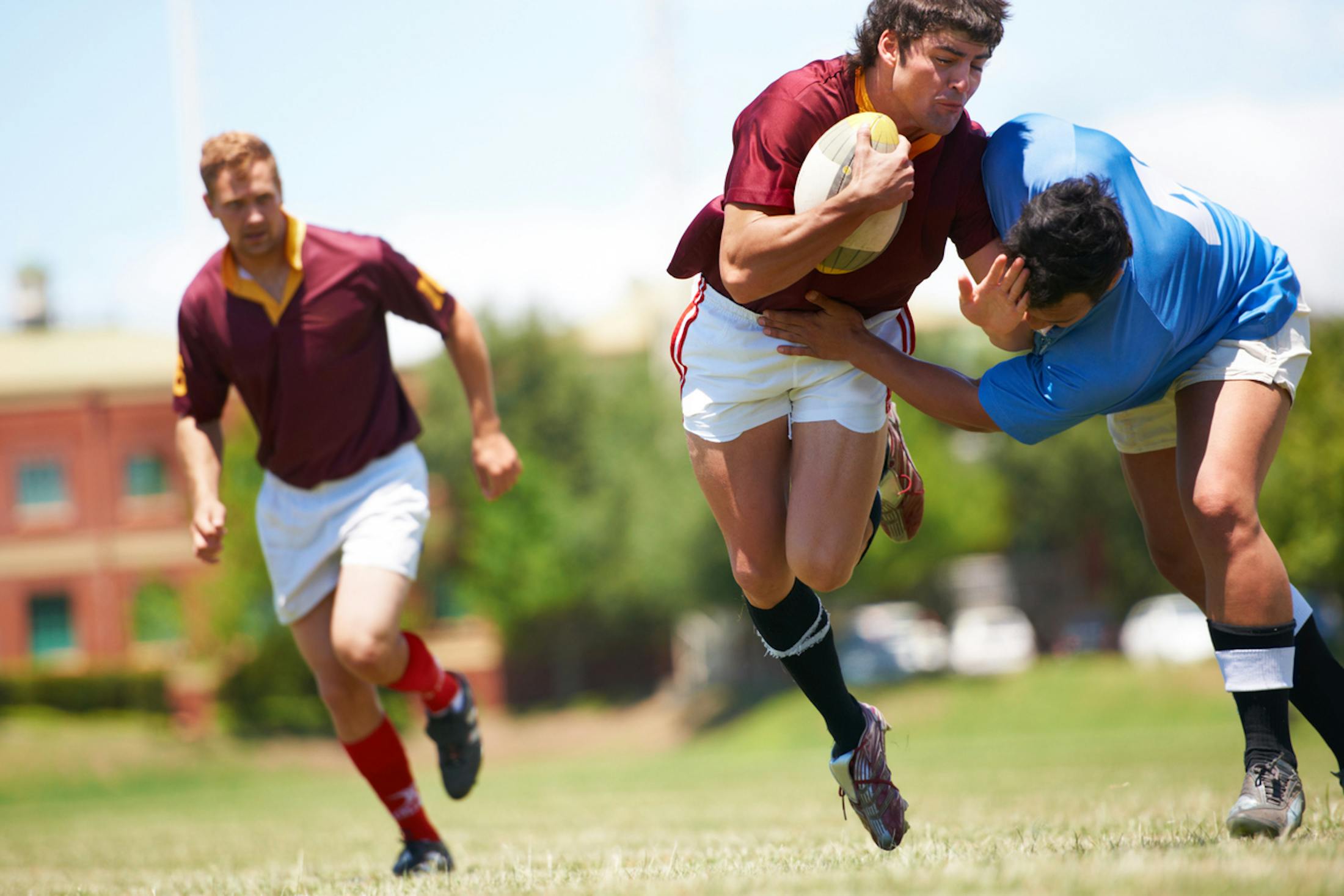
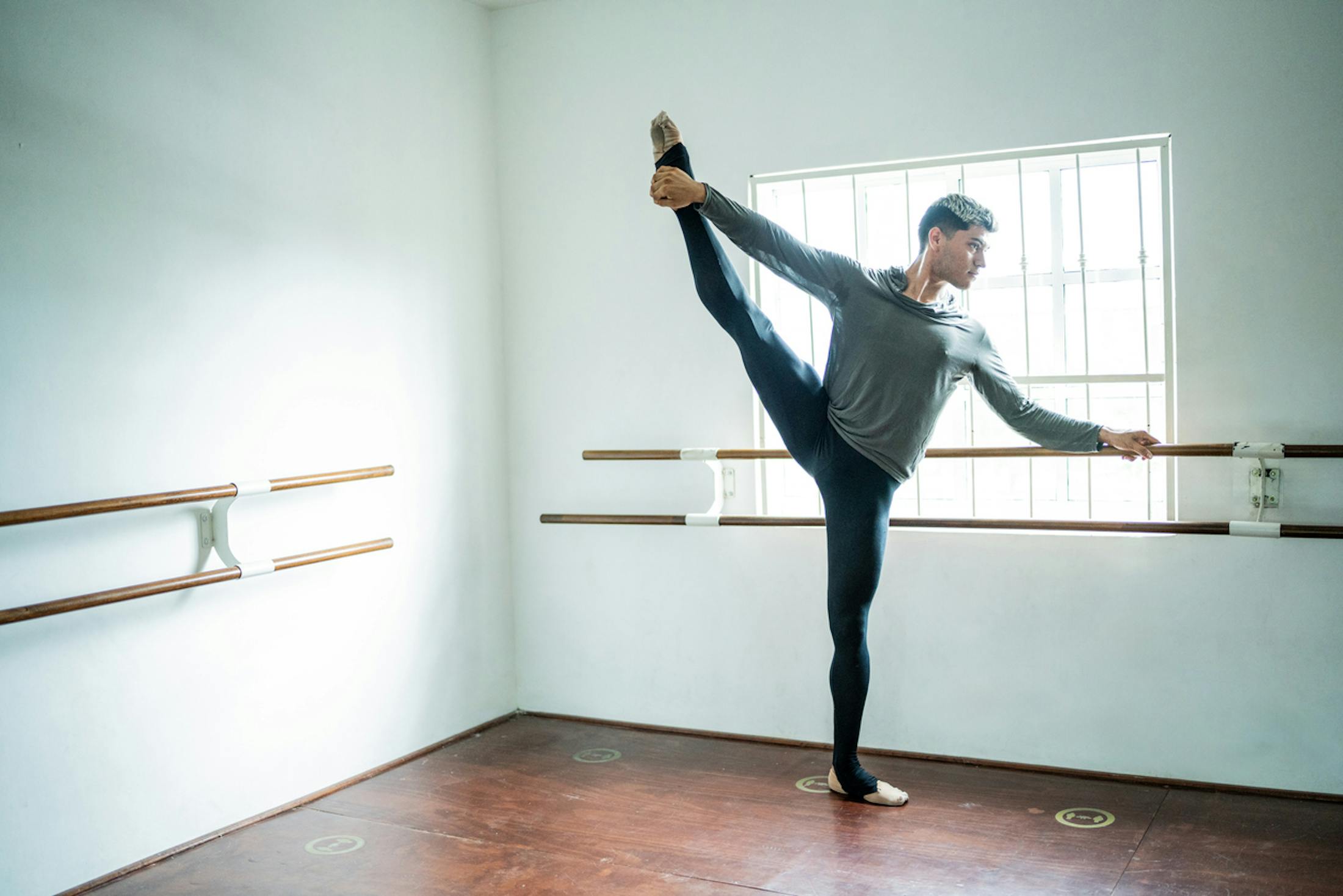
  • Repetitive motion (running, pivoting, twisting)
  • Sports injuries or trauma
  • Degeneration associated with cartilage wear
  • When the fibrocartilage ring becomes frayed or detached from the acetabulum

Hip Arthroscopy: Addressing Labral Tears and Hip Pain

Labral tears can cause:

  • Groin pain
  • Hip clicking
  • Locking
  • Instability
  • Limited range of motion
  • Difficulty with everyday activities
Background media
Male hurdler going over a hurdle about to hit his knee and tear the labral area in the hip

Hip Arthroscopy Benefits

  • Minimally invasive, with smaller incisions and less tissue trauma
  • Restores hip stability by repairing the labrum
  • Reduces pain and mechanical symptoms like catching or locking
  • Improves range of motion and function
  • Delays or prevents arthritis progression by correcting biomechanical problems early
  • Faster recovery compared to traditional open surgery
  • Lower complication rates and less postoperative discomfort

woman at the gym with hip pain from labral tear

Are You a Good Candidate for Hip Arthroscopy?

You may be an ideal candidate for Hip Arthroscopy for Labral Tears surgery, if you experience:

  • Hip or groin pain that worsens with movement
  • Clicking, catching, or locking sensations in the hip
  • Stiffness or limited mobility
  • Pain that does not improve with physical therapy, injections, or changes in activity
  • Imaging tests that confirm a labral tear or femoroacetabular impingement (FAI)

Additionally, candidates should generally be in good health and must have completed a course of conservative treatment before surgery is considered.

What to Expect Before, During, and After Hip Arthroscopy for Labral Tears

Consultation

Your evaluation includes:

  • Comprehensive history and physical exam
  • Review of X-ray and MRI findings
  • Diagnostic injections if needed
  • A full explanation of all non-surgical and surgical options

Costs vary depending on insurance coverage, imaging, and the type of procedure. We accept most major PPO plans and can verify your benefits before treatment.

Procedure

  1. Anesthesia is administered (general or regional)
  2. 2-3 small incisions (portals) are made around the hip
  3. Arthroscopic insertion provides high-definition visualization of the joint
  4. The labrum is repaired with suture anchors or debrided if the tissue is irreparable
  5. Bone reshaping or cartilage treatment is performed as needed
  6. Incisions are closed, and you return home the same day

Recovery and Results

  • 1–2 days: Begin gentle mobility exercises. You’ll receive a detailed rehabilitation plan and close
  • guidance from our team.
  • 2–4 weeks: Transition off crutches, depending on the extent of the repair.
  • 6–12 weeks: Progressive strengthening and functional training.
  • 3–6 months: Return to sports or high-impact activity.
  • Full healing: Continues up to a year as labral tissue integrates.

Alternative or Related Procedures

  • Image-guided hip injections
  • PRP or stem cell therapy
  • Physical therapy and biomechanical retraining
  • Activity modification programs
  • Pain management options for chronic hip conditions
Background media
man in suit smiling

Why Choose Core Alliance Spine and Orthopedics?

Dr. Aron Rovner offers a unique combination of expertise in orthopedics, spine care, and sports medicine, enabling him to evaluate hip pathology holistically. With licensure in NY, NJ, and FL, thousands of treated cases, and deep experience in minimally invasive procedures, he delivers exceptional precision and thoughtful decision-making.

Our team is known for:

  • Fast scheduling and virtual consultations
  • Conservative-first treatment plans
  • Advanced diagnostics for accurate evaluation
  • Personalized, one-on-one communication at every stage
  • Extensive experience treating athletes and active individuals

FAQ's Hip Arthroscopy for Labral Tears

How do labral tears differ from other causes of hip pain?

Labral tears cause sharp groin pain, clicking, and instability because the labrum helps stabilize the hip joint. When the labrum is damaged, joint mechanics change, leading to movement-related pain that differs from muscle strains or bursitis.

Is hip arthroscopy always required for a labral tear?

Not always. Many patients improve with non-surgical treatments such as physical therapy, anti-inflammatory methods, activity modification, and injections. Arthroscopy is recommended only when symptoms persist or structural problems risk further joint damage.

What imaging is most accurate for diagnosing labral tears?

An MRI arthrogram, which uses contrast dye inside the joint, is the most sensitive imaging method. Regular MRI can detect larger tears, but arthrograms provide better visualization of subtle or early-stage injuries.

Will hip arthroscopy help prevent arthritis later in life?

While no procedure can guarantee prevention, early treatment of labral tears and impingement can reduce abnormal joint stress. Research shows that restoring the labrum’s sealing function may slow cartilage wear and reduce the risk of developing osteoarthritis.

How long will I need to use crutches after surgery?

Most patients need crutches for 2 to 4 weeks. More complex repairs or procedures involving bone reshaping may require additional protected weight-bearing time to ensure proper healing.

What are the risks of hip arthroscopy?

Hip arthroscopy is generally safe with low complication rates. Potential risks include bleeding, infection, nerve irritation, temporary numbness, stiffness, blood clots, and rare cartilage injury. At Core Alliance, risks are minimized through precise technique and thorough postoperative monitoring.

Will I need physical therapy after labral repair?

Yes. Physical therapy is crucial for restoring mobility, strengthening the hip, and protecting the repair. Rehab typically progresses through mobility, stability, strengthening, and sport-specific phases, and following your program greatly improves long-term outcomes.

We Make Achieving Pain-Free Movement Effortless

If hip pain or a labral tear is limiting your life, we’re here to help you return to full activity with clarity, precision, and compassionate care. Schedule your consultation with Core Alliance Spine and Orthopedics today and learn more about hip arthroscopy for labral tears.

Sources:

Contact us media
Accessibility: If you are vision-impaired or have some other impairment covered by the Americans with Disabilities Act or a similar law, and you wish to discuss potential accommodations related to using this website, please contact our Accessibility Manager at 516-588-7731.
Contact Us