Give Core Alliance Spine and Orthopedics a phone call at (516) 588-7731 Contact Us

Regain Knee Stability and Confidence With Expert ACL Reconstruction

ACL reconstruction is a key orthopedic procedure for individuals with ligament injuries that compromise the knee's structure and function. At Core Alliance, we focus on restoring your mobility through surgical excellence and compassionate care. Our minimally invasive approach promotes quicker healing and lasting results.

Schedule your consultation today to learn whether ACL reconstruction is the right solution for your knee injury.

What Is ACL Reconstruction?

ACL reconstruction is a surgical procedure that repairs a torn anterior cruciate ligament (ACL)—a key ligament that connects the thighbone to the shinbone. When the ACL is damaged, it can lead to knee instability, discomfort, and risk of further injury. Rather than stitching the torn ligament, our orthopedic surgeons reconstruct it using a graft.

This graft may come from the patient’s hamstring or patellar tendon, or from a donor. The procedure is usually performed arthroscopically using a camera and small tools for greater precision and less disruption to surrounding tissue. ACL reconstruction in Long Island is especially common among athletes and active individuals—but it's beneficial for anyone with ongoing knee instability or pain.

Banner media
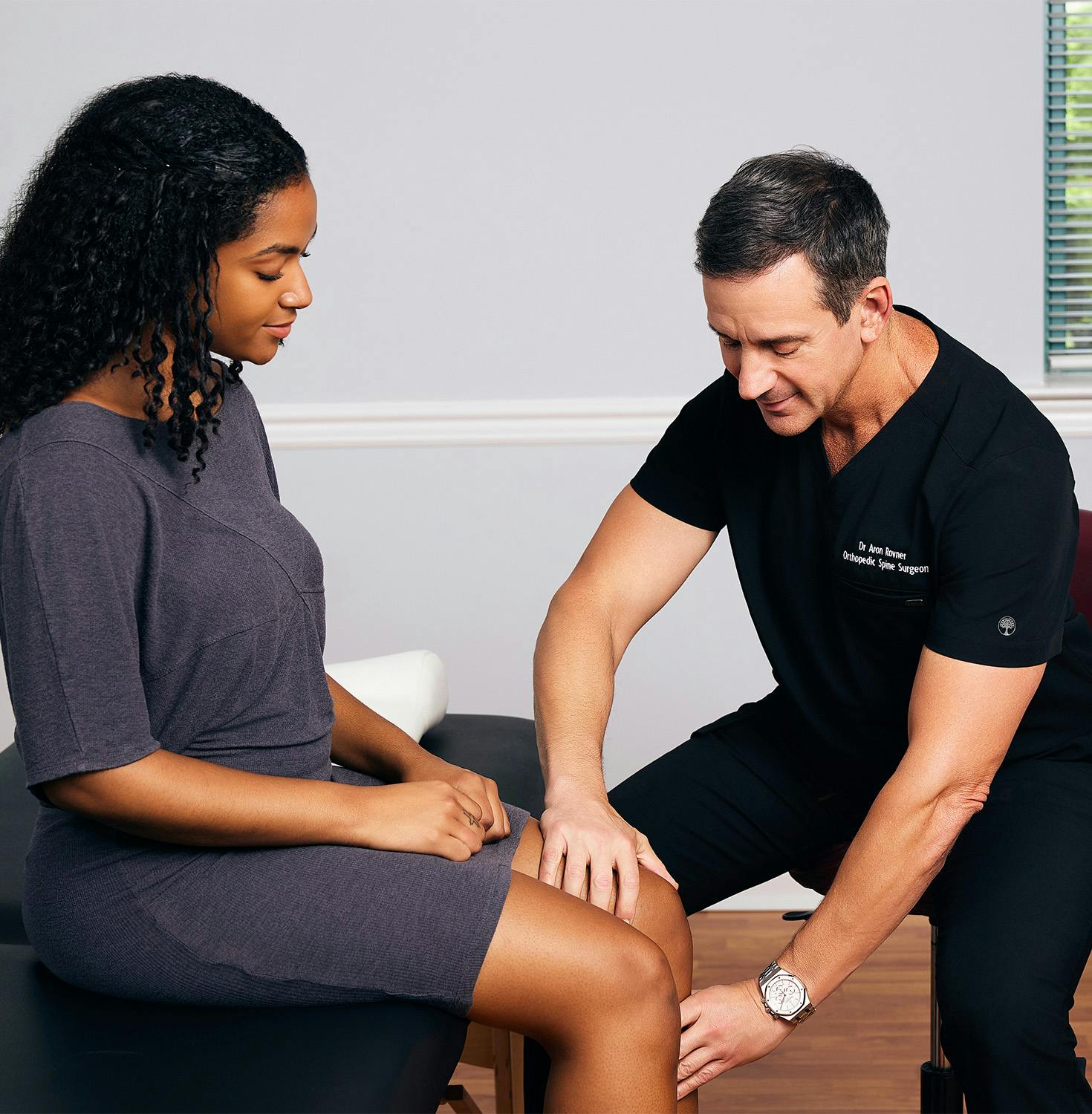
Dr. Kravner with patient

Benefits of ACL Reconstruction

Undergoing ACL reconstruction at Core Alliance can offer a wide range of physical and lifestyle benefits:

  • Improved Knee Stability: Rebuilds structural support and reduces instability.
  • Enhanced Athletic Performance: Enables safe return to sports or physical activity.
  • Reduced Risk of Future Injury: Protects the meniscus and cartilage from additional damage.
  • Minimally Invasive Technique: Smaller incisions, less trauma, and quicker recovery.
  • Long-Term Joint Health: Prevents early arthritis and supports joint longevity.
  • Customized Graft Selection: Tailored to your body, needs, and activity level.

Who Is a Good Candidate for ACL Reconstruction?

You may be a strong candidate for ACL reconstruction if you’ve experienced a complete or partial tear of the anterior cruciate ligament that results in knee instability. Common symptoms include the knee buckling during activity, persistent swelling, difficulty regaining full motion, or a feeling of looseness in the joint. While many candidates are athletes or physically active individuals aiming to return to sports, the procedure is also beneficial for anyone whose quality of life is affected by instability or recurring knee issues.

Surgery is often recommended if the ACL injury is accompanied by other damage to structures within the knee—such as the meniscus—or if non-surgical treatments like physical therapy and bracing have not provided lasting relief. After reviewing your imaging, symptoms, activity level, and long-term goals, Dr. Rovner will determine whether ACL reconstruction is the most appropriate treatment option for your needs.

Your Consultation

During your visit, Dr. Rovner will perform a thorough physical exam and review imaging, such as an MRI. We’ll walk you through your diagnosis, discuss surgical and non-surgical options, and help you choose the graft and recovery plan that best supports your outcome.

“Dr. Rovner is the best. He is quick and efficient at getting to the root of the issue and, more importantly, getting you whatever help you need. Definitely recommend.”

– Orlando Perez

Quote media

Schedule A Consultation Tailored Solutions for Every Spine

Contact Us
Contact us media

What to Expect During ACL Reconstruction

ACL reconstruction is typically performed as an outpatient procedure under general anesthesia, with most surgeries lasting between one and two hours. Once the anesthesia takes effect, Dr. Rovner begins by creating a few small incisions around the knee to insert an arthroscope and specialized surgical instruments. The torn ACL is carefully removed, and a graft—either from the patient’s own tissue (autograft) or from a donor (allograft)—is prepared to replace the damaged ligament.

Dr. Rovner drills small tunnels into the femur and tibia to secure the graft in the proper anatomical position. The graft is then anchored using screws or other fixation devices, allowing it to function like a natural ligament. After the graft is in place, the incisions are closed with sutures or surgical tape, and a sterile dressing is applied. The knee is typically braced to provide support, and patients are monitored briefly before returning home the same day with personalized recovery instructions and a rehabilitation plan.

Recovery After ACL Reconstruction

Recovery varies, but typical milestones include:

  • 0–2 Weeks: Pain management, swelling reduction, and initial mobility.
  • 2–12 Weeks: Progressive strengthening and range-of-motion exercises.
  • 3–6 Months: Advanced rehab and functional training.
  • 6–9 Months: Full return to sports or strenuous activity.

Compliance with rehab and follow-up care is essential for long-term knee health.

Background media

How Much Does ACL Reconstruction Cost?

The cost of ACL reconstruction in Long Island depends on the surgical setting, insurance coverage, and graft type. Core Alliance accepts most PPO insurance plans and provides transparent estimates and financial guidance during your consultation.

man running on a beach

Alternatives to ACL Reconstruction

While ACL surgery is often the best long-term solution, some patients benefit from non-surgical approaches like:

  • Physical Therapy: Strengthens supporting muscles.
  • Bracing: Offers added knee support.
  • Activity Modification: Avoiding high-risk movements.

If these options don’t provide sufficient relief, surgery may be the best path forward.

Doctor media

Why Choose Core Alliance?

At Core Alliance, your care is personalized and precise. Dr. Aron Rovner is a fellowship-trained, board-certified orthopedic surgeon with extensive experience in ACL reconstruction in Long Island.

We focus on minimally invasive solutions and comprehensive recovery support to help you return stronger, safer, and pain-free.

Frequently Asked Questions ACL Reconstruction

How long does the ACL graft take to heal?

It typically takes 4 to 6 months for the graft to fully integrate and function like a normal ligament.

What type of graft should I choose?

Graft selection is based on your anatomy, lifestyle, and preferences. Dr. Rovner will guide you through your options.

Will I need physical therapy?

Yes. A structured rehab program is essential to restore full knee function.

Can a torn ACL heal without surgery?

Complete tears don’t usually heal on their own. Partial tears may be treated conservatively in some cases.

When can I drive again after surgery?

Most patients can drive within 2–4 weeks, depending on which leg was operated on and pain management needs.

Contact us media
Accessibility: If you are vision-impaired or have some other impairment covered by the Americans with Disabilities Act or a similar law, and you wish to discuss potential accommodations related to using this website, please contact our Accessibility Manager at (516) 588-7731.
Contact Us