Give Core Alliance Spine and Orthopedics a phone call at (516) 588-7731 Contact Us

Table of Contents

Shoulder Arthroscopy in Long Island for Active Recovery and Lasting Relief 

If you’re experiencing shoulder pain that’s limiting your movement or daily routine, you’re not alone. At Core Alliance, we specialize in minimally invasive shoulder arthroscopy in Long Island that can diagnose and treat complex shoulder conditions with precision and reduced downtime. Dr. Aron Rovner, a board-certified orthopedic surgeon, offers advanced surgical care tailored to each patient’s needs. Schedule your consultation today and take the first step toward lasting recovery.

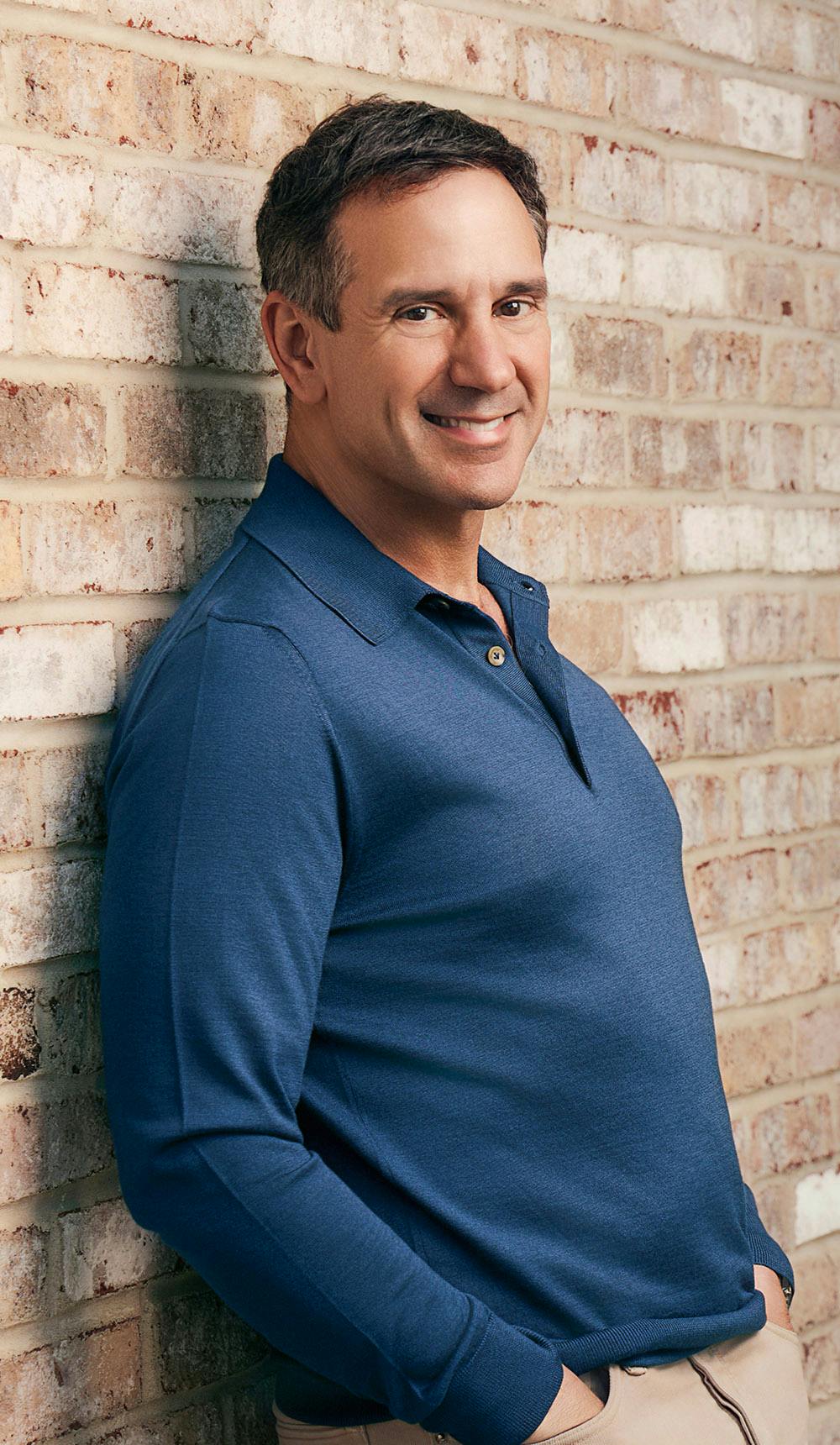
Man smiling with arms crossed

What Is Shoulder Arthroscopy?

Shoulder arthroscopy is a modern surgical procedure that uses a small camera, or arthroscope, to examine and treat shoulder joint issues through tiny incisions. This minimally invasive technique allows your surgeon to access the joint with specialized tools, reducing tissue disruption and scarring. Common conditions treated through shoulder surgery in Long Island include:

  • Rotator cuff tears
  • Labral injuries
  • Shoulder impingement
  • Joint instability
  • Bursitis

This technique is favored over traditional open surgery due to its quicker recovery, improved precision, and reduced discomfort.


Patient Testimonials

Real stories. Real results. Discover how other patients found relief and a return to active living through our expert spine care.

Excellent care and outstanding bedside manner. They checked in regularly, offered virtual visits, and made sure I felt supported. After two neck injections for shoulder pain, I fel...
Excellent care and outstanding bedside manner. They checked in regularly, offered virtual visits, and made sure I felt supported. After two neck injections for shoulder pain, I felt genuinely cared by Dr. Rovner

–Emmanuel Garrett Grant

I've been experiencing shoulder pain and met with Dr. Rovner. He was extremely friendly, listened to everything that was going on, and was quickly able to find a solution. Highly r...
I've been experiencing shoulder pain and met with Dr. Rovner. He was extremely friendly, listened to everything that was going on, and was quickly able to find a solution. Highly recommend!!

–Danielle Dombrow

Loved consulting with Dr Ronver for my shoulder pain . Easy appointments and quick diagnosis. Loved the fact that he's easily reachable and his deep Explanations in every step

–jairesh mohan

Surgeon Aron Rovner, MD, is simply amazing. He is incredibly skilled, insightful, caring, and kind. Dr. Rovner takes the time to fully discuss the treatment, and his surgical skill...
Surgeon Aron Rovner, MD, is simply amazing. He is incredibly skilled, insightful, caring, and kind. Dr. Rovner takes the time to fully discuss the treatment, and his surgical skills are truly miraculous. Dr. Rovner performed two complicated spinal epidurals on me for both lumbar and intense sciatica nerve obstructions in both NJ and FL, with perfect results and incredible pain management. If you are seeking the very best, you've found him. Thank you, doctor.

–Adam Weis

Primary Conditions Treated

If persistent shoulder pain, stiffness, or weakness is interfering with your daily routine, shoulder arthroscopy offers a minimally invasive way to resolve underlying tissue damage and restore full joint function. We specialize in treating a complete spectrum of shoulder conditions:

  • Rotator Cuff Tears & Tendonitis: Advanced surgical repair using specialized anchors and sutures to reattach torn tendons to the bone, eliminating chronic pain and restoring upper-arm strength.
  • Labral Tears (SLAP & Bankart Lesions): Precision repair or reattachment of the torn cartilage rim (labrum) to stabilize the ball-and-socket joint and prevent recurrent instability or dislocations.
  • Shoulder Impingement: Subacromial decompression to remove bone spurs and inflamed tissue, relieving pressure on the rotator cuff tendons during overhead movements.
  • Biceps Tenodesis & Tendon Repair: Relief for severe long head biceps tendonitis or tears by releasing, smoothing, or reattaching the affected tendon.
  • Frozen Shoulder (Capsular Release): Targeted release of tight, scarred joint capsule tissue (adhesive capsulitis) to unlock the joint and restore natural range of motion.
  • Subacromial Bursitis & Joint Inflammation: Removal (debridement) of chronically inflamed bursal sacs, damaged tissue, or loose cartilage fragments causing internal friction.
  • Shoulder Instability & Joint Laxity: Re-tightening stretched or torn ligaments to stabilize the joint after trauma, acute strain, or sports-related injuries.

What are the Benefits of Shoulder Arthroscopy?

This cutting-edge approach provides several benefits for eligible patients:

  • Minimized tissue damage: Small incisions mean less trauma to surrounding muscles and tissue.
  • Faster recovery: Many patients return to daily activities sooner than with open surgery.
  • Lower pain levels: Reduced surgical impact results in less post-operative pain.
  • Fewer complications: The minimally invasive technique decreases the risk of infection and bleeding.
  • Accurate diagnosis and treatment: Enhanced visibility allows for detailed assessment and intervention.

Who Is a Good Candidate for Shoulder Arthroscopy?

You may be a candidate for shoulder arthroscopy in Long Island if you’re dealing with:

  • persistent pain
  •  instability
  • reduced motion despite conservative treatments.

This includes individuals with:

  • tendon tears
  • joint inflammation
  • repeated strain from sports or physical labor

 Dr. Rovner evaluates each case individually to ensure that arthroscopy is the most appropriate path forward.

Banner media

Why is Arthroscopy Necessary?

Shoulder arthroscopy is necessary when conservative treatments—such as physical therapy, rest, and medication—fail to relieve persistent shoulder pain, stiffness, or instability. It serves as both a diagnostic and therapeutic tool, allowing the surgeon to view the interior of the shoulder joint in real-time through a tiny camera. This procedure is critical for accurately identifying and directly repairing tissue damage that might not show up clearly on imaging tests, treating the underlying issue with minimal surgical trauma.

What is the Rotator Cuff?

The rotator cuff is a crucial group of four muscles and their connecting tendons (supraspinatus, infraspinatus, teres minor, and subscapularis) that wrap around the shoulder joint. It holds the head of your upper arm bone (humerus) firmly within the shallow socket of the shoulder blade. The primary functions of the rotator cuff include:

  • Stabilizing the ball-and-socket joint.
  • Enabling you to lift, rotate, and reach with your arm.
  • Providing the structural control needed for overhead movements.

What Causes Shoulder Problems?

Shoulder problems typically arise from a combination of acute injury, repetitive stress, and natural age-related degeneration. Common causes include:

  • Repetitive Overhead Motion: Frequent lifting, swimming, throwing, or painting can strain the rotator cuff tendons and cause bursitis or impingement.
  • Acute Trauma: Falls, heavy lifting, or sports injuries can lead to sudden labral or rotator cuff tears and dislocations.
  • Age-Related Wear and Tear: Tendons lose elasticity and blood supply over time, making them prone to fraying and tears even from everyday activities.
  • Bone Spurs: Smooth growths of extra bone near the joint can pinch the rotator cuff tendons during movement (shoulder impingement).

Your Consultation

At Core Alliance, your consultation involves a full physical examination, imaging studies such as MRI or X-rays, and a discussion of your symptoms and goals. Dr. Rovner will provide a clear treatment plan and explain the entire process so you can move forward with confidence.

Schedule A Consultation Tailored Solutions for Every Spine

Contact Us

What to Expect During Your Shoulder Arthroscopy

This outpatient procedure is performed under general or regional anesthesia. The surgeon makes small incisions to insert the arthroscope and specialized tools. Once inside the joint, damaged tissue is repaired, smoothed, or removed, depending on the condition being addressed.

Most procedures take under two hours, and you’ll return home the same day. A sling may be provided to support healing during the early recovery period.

What Is the Recovery Like After Shoulder Arthroscopy?

Recovery timelines vary based on the issue treated and your overall health. Most patients experience swelling and soreness for a few days, followed by gradual improvement.

Physical therapy usually begins soon after surgery to support healing and restore function. It may take several weeks or months to regain a full range of motion and strength. Dr. Rovner and our team will guide you through each stage of recovery with personalized care.

Background media

How Much Does Shoulder Arthroscopy Cost?

The cost of shoulder surgery in Long Island depends on insurance coverage, procedure complexity, and any additional treatments required. During your consultation, our staff will help verify your benefits and provide a transparent cost estimate.

Alternatives to Shoulder Arthroscopy

Non-surgical treatments are often explored first. These may include:

  • Physical therapy
  • Rest and activity modification
  • Corticosteroid injections
  • Platelet-rich plasma (PRP) therapy

In rare cases, open surgery may be necessary for more severe damage. We’ll review all options to ensure the treatment aligns with your goals and lifestyle.

man leaning against a tree

Focus Areas Within Shoulder Arthroscopy

Our practice offers a range of arthroscopic procedures designed to target different sources of shoulder dysfunction:

Arthroscopic Labral Repair

This technique reattaches the torn labrum to restore stability and reduce dislocations. Ideal for patients with traumatic injuries or joint laxity.

Arthroscopic Rotator Cuff Repair

The surgeon uses sutures and anchors to reattach torn rotator cuff tendons. This helps restore shoulder strength and prevent long-term dysfunction.

Labrum Tear Treatment

Depending on the tear’s size and location, your provider may recommend debridement, repair, or reconstruction to promote healing and stability.

Background media
Doctor media

Why Choose Core Alliance for Shoulder Arthroscopy in Long Island?

At Core Alliance, we combine elite technical precision with compassionate, individualized care. Leading our practice is Dr. Aron Rovner, a dual board-certified orthopedic surgeon who brings top-tier surgical expertise directly to Long Island.

Patients choose Core Alliance for sports medicine care and shoulder surgery in Long Island because of our commitment to excellence:

  • Fellowship-Trained Sports Medicine & Shoulder Specialist: Dr. Rovner holds specialized fellowship training in sports medicine and advanced arthroscopic shoulder surgery, making him uniquely qualified to treat complex athletic injuries and degenerative joint conditions.
  • Decades of Trusted Experience: With over two decades of surgical experience, Dr. Rovner has successfully helped thousands of patients restore mobility, strength, and function.
  • Minimally Invasive Precision: We prioritize cutting-edge arthroscopic techniques that use tiny incisions, resulting in less tissue disruption, reduced post-operative pain, and faster recovery times.
  • Comprehensive Care from Diagnosis to Recovery: Our entire team supports you at every stage of healing—from advanced diagnostic imaging and custom surgical planning to personalized post-operative rehabilitation.

Frequently Asked Questions Shoulder Arthroscopy

Will I need physical therapy after shoulder arthroscopy?

Yes. Physical therapy is essential for regaining strength, flexibility, and motion following surgery.

How long will I need to wear a sling?

This varies depending on the procedure. Most patients wear a sling for 1 to 4 weeks.

When can I return to sports or physical activity?

You can typically resume full activity 3 to 6 months after surgery, based on healing progress.

Is shoulder arthroscopy painful?

Most patients experience mild discomfort, which improves with time and can be managed with medication.

Are the results permanent?

In most cases, yes—especially when the repair is followed by proper rehabilitation and activity precautions.

Can shoulder arthroscopy diagnose problems that don't appear on imaging tests?

Yes. While MRI and X-rays provide valuable information, shoulder arthroscopy allows your surgeon to directly examine the inside of the joint. In some cases, it can identify cartilage damage, inflammation, or other issues that may not be fully visible on imaging studies.

How soon can I drive after shoulder arthroscopy?

Most patients should wait until they are no longer wearing a sling, have regained sufficient shoulder control, and are no longer taking prescription pain medication. Dr. Rovner will let you know when it is safe to resume driving based on your recovery progress.

What happens if shoulder pain returns after arthroscopy?

While many patients experience lasting relief, persistent or recurring pain should be evaluated. Your surgeon may recommend a follow-up examination, imaging, or additional treatment to determine the cause and help restore shoulder function.

Can shoulder arthroscopy be performed on both shoulders at the same time?

Although it is technically possible in select cases, shoulder arthroscopy is typically performed on one shoulder at a time. This approach allows you to use your opposite arm during recovery and makes daily activities more manageable.

Will shoulder arthroscopy set off metal detectors or require permanent implants?

Some shoulder arthroscopy procedures use small anchors or fixation devices to repair tendons or the labrum. These implants are designed to remain in place when needed and typically do not trigger metal detectors or interfere with everyday activities.

Serving Patients across Nassau and Suffolk County at our Garden City office

Contact us media
Accessibility: If you are vision-impaired or have some other impairment covered by the Americans with Disabilities Act or a similar law, and you wish to discuss potential accommodations related to using this website, please contact our Accessibility Manager at (516) 588-7731.
Contact Us