Give Core Alliance Spine and Orthopedics a phone call at (516) 588-7731 Contact Us

Meniscal Repair Personalized Care in Long Island

Meniscus injuries can sideline your active lifestyle, but with the right treatment, you don’t have to stay on the sidelines for long. At Core Alliance, we provide advanced orthopedic solutions for meniscal repair in Long Island, helping you move beyond the pain and regain stability in your knee. Led by board-certified orthopedic surgeon Dr. Aron Rovner, our team is committed to providing customized care, whether through non-surgical therapy or precise surgical intervention.

Understanding Meniscus Tears

The meniscus is a C-shaped cartilage that cushions the joint between your femur and tibia. It plays a vital role in stability and shock absorption.

A tear can occur suddenly—often from twisting motions—or develop gradually due to wear and tear.

You may have a meniscus tear if you're experiencing:

  • Persistent pain or swelling in the knee
  • Difficulty bending, straightening, or rotating your leg
  • Popping, clicking, or locking sensations
  • A reduction in joint flexibility or strength

Prompt evaluation is essential to prevent worsening damage and guide appropriate treatment.

man on couch

Types of Meniscus Tears

There are several types of meniscus tears, and each requires a different treatment approach. Common classifications include:

  • Vertical Tears: Often sports-related and may be suitable for repair.
  • Horizontal Tears: More common with aging and can sometimes split the meniscus in two layers.
  • Complex Tears: Multiple tear patterns that may need a combination of repair and removal.
  • Bucket Handle Tears: A portion of the meniscus becomes displaced and may block knee movement.

Understanding the type and location of your tear helps us determine the best strategy for your meniscus repair in Long Island.

Diagnosing a Meniscus Tear

An accurate diagnosis ensures an effective treatment plan. At Core Alliance, we use a comprehensive approach that includes:

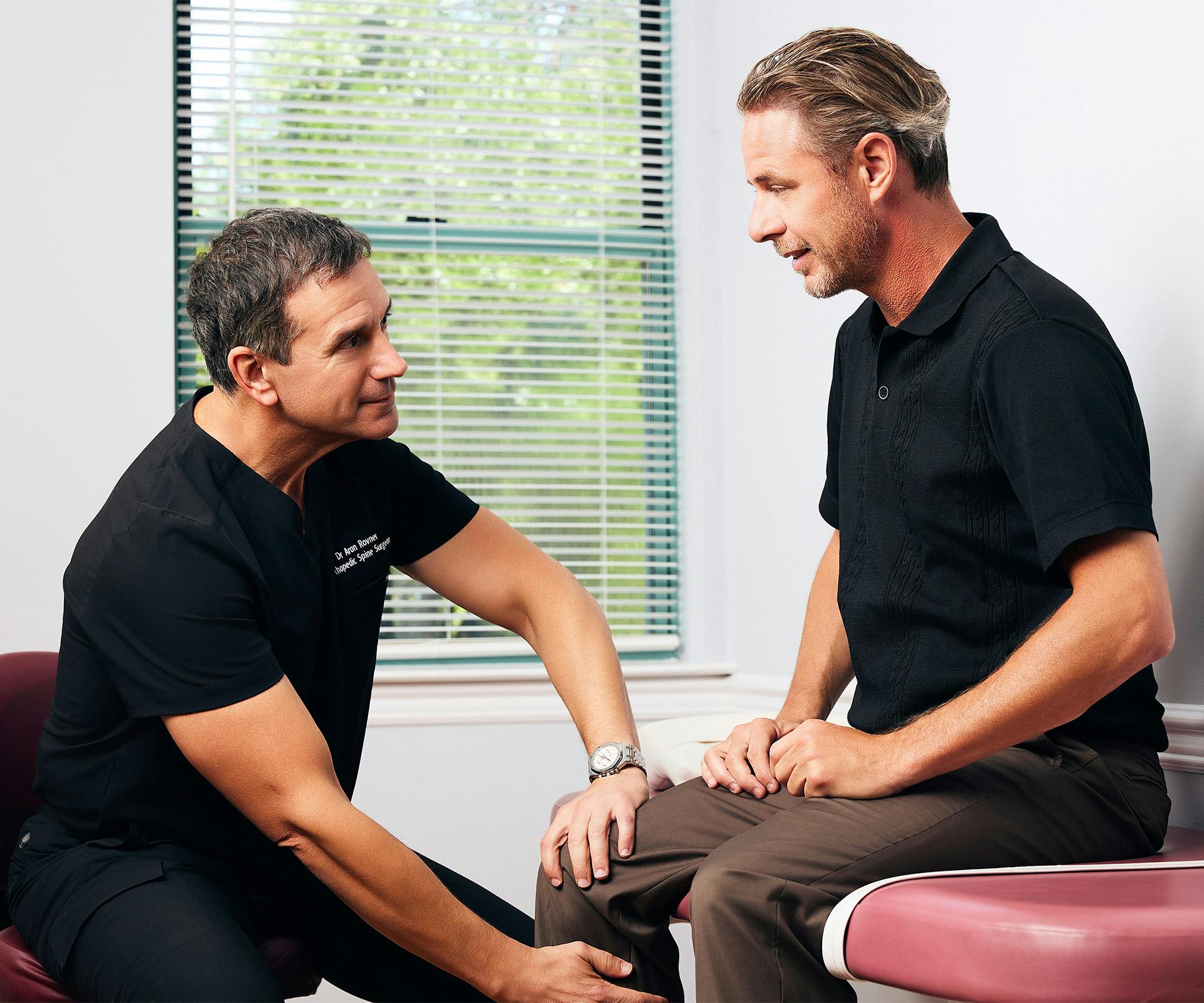
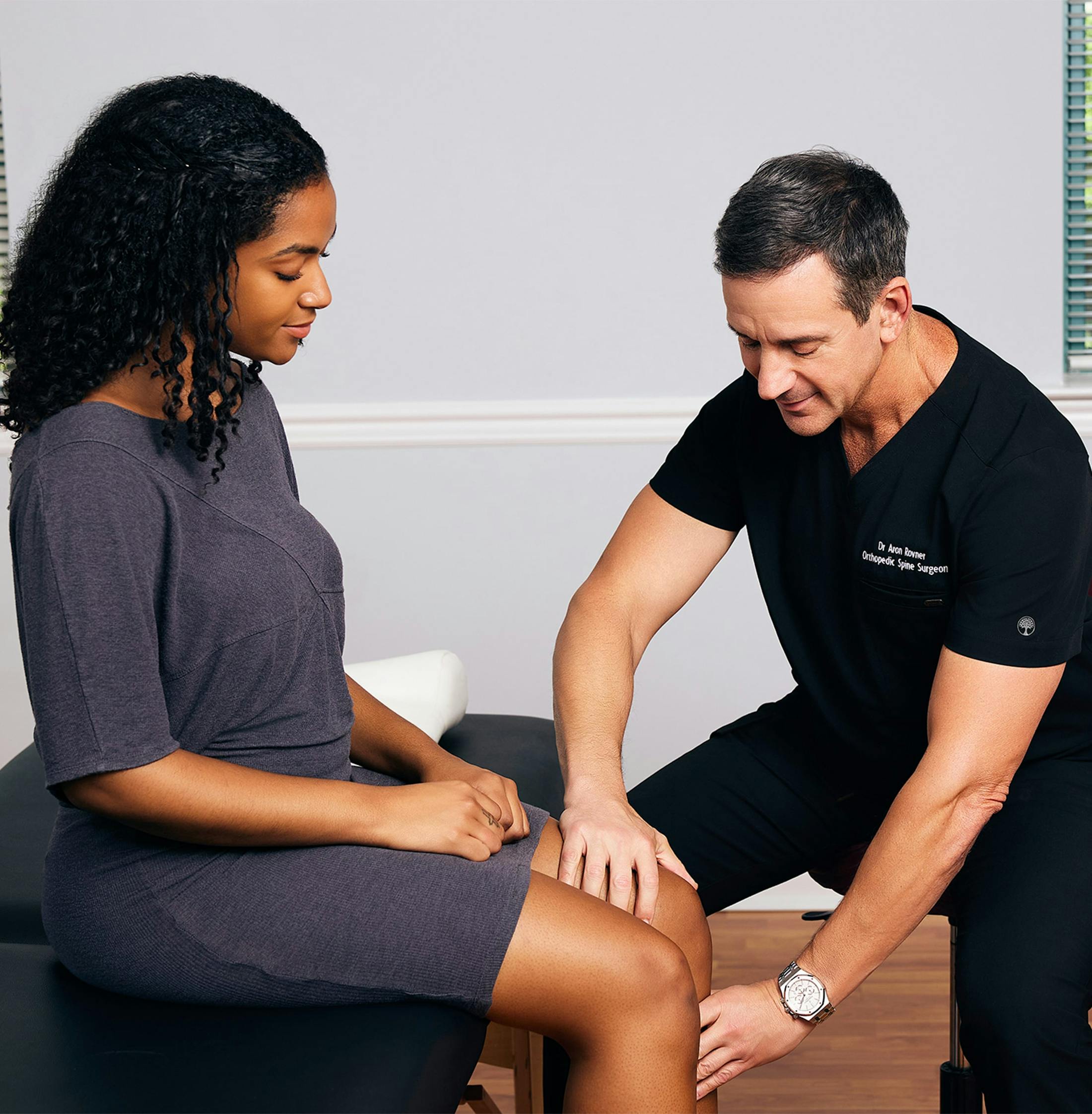
  • A detailed physical examination to assess knee mobility and stability
  • Diagnostic imaging, such as MRI, to visualize soft tissue and confirm the tear
  • X-rays to rule out arthritis or bone injury

With these tools, we can pinpoint your injury and develop a plan that matches your lifestyle and goals.

Meniscus Tear Treatment Options

We offer a full spectrum of treatments for meniscus injuries, from conservative therapy to minimally invasive surgery.

Non-Surgical Treatments

Not all meniscus tears require surgery. Many patients respond well to:

  • Rest and Activity Modification: Allowing the knee to heal while avoiding stress
  • Physical Therapy: Strengthening supportive muscles and restoring movement
  • Anti-Inflammatory Medications: Reducing pain and swelling
  • Corticosteroid Injections: Short-term relief for inflammation inside the joint

These treatments are especially effective for minor tears or individuals with degenerative conditions.

Meniscus Surgery

If conservative options aren’t enough, surgery may be the best path forward. Our team performs:

  • Meniscus Repair: This technique preserves your natural meniscus by stitching the torn edges together. Arthroscopic tools allow for high precision and a smaller incision.
  • Partial Meniscectomy: When repair isn’t possible, we remove only the damaged portion to maintain knee function.
  • Meniscus Transplantation: For patients with extensive damage, we may recommend transplanting healthy cartilage from a donor.

If you're wondering which type of meniscal repair in Long Island is right for you, we’ll help guide you toward the most effective solution.

Background media

Schedule A Consultation Tailored Solutions for Every Spine

Contact Us

Recovery After Meniscus Tear Surgery

Recovery time varies depending on the specific procedure. In general:

  • Meniscus Repair: This requires more healing time—often six to nine months—since the tissue must naturally reattach. You'll likely need to use crutches and a brace during the early phase of healing.
  • Partial Meniscectomy: This is less intensive, with most patients resuming light activities within four to six weeks.

A tailored rehabilitation program is essential no matter the surgery type, helping rebuild strength and joint control.

Logo media

Returning to Work and Sports

When you can return to work or athletic activities depends on your recovery speed and job demands.

  • Back to Work: After a partial meniscectomy, many patients return within 1–2 weeks. A meniscus repair usually requires a longer recovery window.
  • Back to Sports: Athletes undergoing meniscus repair may return within 3–6 months, provided physical therapy milestones are met.

Our team will create a recovery timeline that fits your life and ensures safe progression.

Banner media
Doctor media

Why Choose Core Alliance for Meniscus Repair in Long Island?

We believe in treating more than just the injury—we treat the individual. Dr. Aron Rovner brings decades of experience in orthopedic knee surgery, and our practice is rooted in personal attention and advanced methods.

  • Thorough Evaluations: We go beyond the surface to understand your pain and long-term goals.
  • Minimally Invasive Approach: Whenever possible, we use arthroscopic techniques to reduce downtime.
  • Custom Recovery Plans: We partner with you to develop a treatment strategy that fits your activity level, career, and timeline.

Let us help you return to the life you love with expert meniscus repair in Long Island.

Don’t Let a Meniscus Tear Limit Your Life

You deserve to live without knee pain. At Core Alliance, we’ll help you explore the most effective path to healing—whether it’s physical therapy, injection therapy, or surgical meniscus repair in Long Island. Schedule your consultation today and get back to the activities you enjoy.

Banner media

Frequently Asked Questions Meniscal Repair

What is meniscus tear surgery, and how does it work?

Meniscus surgery is designed to either repair or remove the damaged portion of the meniscus using minimally invasive tools. The goal is to restore smooth joint motion and relieve pain.

How long does recovery take?

It depends on the type of procedure. Repairs may require up to nine months of rehab, while partial meniscectomies often allow a quicker recovery of four to six weeks.

Are there non-surgical alternatives?

Yes. Many meniscus tears can be managed with physical therapy, medication, or lifestyle changes, depending on severity and patient goals.

What are the risks of meniscus surgery?

Risks are rare but can include infection, stiffness, or incomplete healing. We take every precaution to minimize these outcomes.

When can I resume sports?

Most athletes return to sports within three to six months after surgery, depending on healing and the type of procedure performed.

Contact us media
Accessibility: If you are vision-impaired or have some other impairment covered by the Americans with Disabilities Act or a similar law, and you wish to discuss potential accommodations related to using this website, please contact our Accessibility Manager at (516) 588-7731.
Contact Us