Give Core Alliance Spine and Orthopedics a phone call at (516) 588-7731 Contact Us

Meniscectomy in Long Island Targeted Knee Relief Through Arthroscopy

Knee injuries can significantly impact your quality of life—especially when they involve a torn meniscus. At Core Alliance, Dr. Aron Rovner provides precise, minimally invasive meniscectomy in Long Island to treat pain at the source and restore joint stability. Using advanced arthroscopic techniques, we prioritize conservative, effective care to get you moving again. Schedule a consultation today to learn whether meniscectomy is the right next step for your recovery.

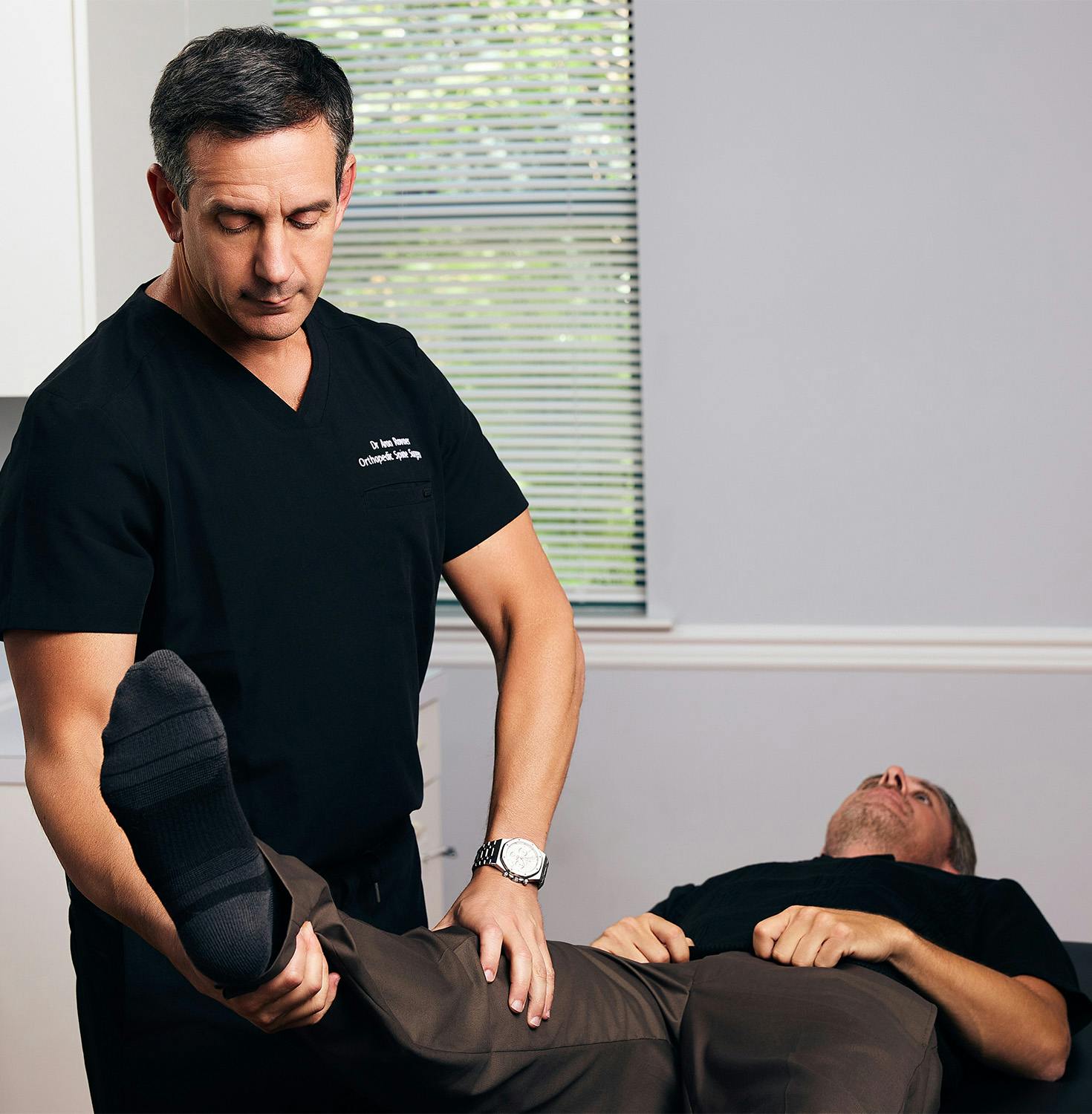
Dr. Krovner helping patient

What Is a Meniscectomy?

A meniscectomy is a surgical procedure that removes all or part of a damaged meniscus—the cartilage that cushions the bones in your knee joint. Meniscus tears often cause pain, instability, swelling, and mechanical symptoms like clicking or locking.

At Core Alliance, we perform arthroscopic meniscectomy using small incisions and a high-definition camera. This allows for clear visualization and precise removal of the torn section of cartilage. Depending on your condition, Dr. Rovner may recommend a partial meniscectomy, which preserves healthy tissue, or a total meniscectomy, which removes the full meniscus if severely damaged.


Benefits of Meniscectomy

Meniscectomy in Long Island offers a range of patient-centered benefits that promote healing and long-term joint function:

  • Minimally Invasive Technique: Smaller incisions result in less tissue trauma, scarring, and recovery time.
  • Effective Pain Relief: Removing the torn portion of the meniscus often leads to quick symptom relief.
  • Improved Knee Function: Alleviates locking and catching to restore more fluid movement.
  • Faster Recovery Time: Most patients resume light activity in weeks and fully recover within 4 to 6 months.
  • Outpatient Surgery: Meniscectomy is usually performed as a same-day procedure for your convenience.
Background media

Who Is a Good Candidate for Meniscectomy?

You may be a candidate for meniscectomy if you have a meniscus tear that has not responded to conservative care such as rest, physical therapy, or injections. The procedure is especially recommended for patients experiencing mechanical symptoms or limited mobility due to the tear.

Ideal candidates include athletes, active adults, and anyone seeking lasting relief after a failed non-surgical approach. At Core Alliance, your evaluation will include imaging, a physical exam, and a full review of your symptoms and goals to ensure meniscectomy is appropriate.

Your Consultation

When you visit Core Alliance for meniscectomy in Long Island, Dr. Rovner will conduct a thorough evaluation, including imaging and a discussion of your lifestyle and treatment history. He’ll walk you through all surgical and non-surgical options and recommend a plan that supports your goals, whether you’re aiming for a quick return to sports or simply pain-free movement.

“Dr. Rovner is the best. He is quick and efficient at getting to the root of the issue and, more importantly, getting you whatever help you need. Definitely recommend.”

– Orlando Perez

Quote media

Schedule A Consultation Tailored Solutions for Every Spine

Contact Us

What to Expect During Meniscectomy

Arthroscopic meniscectomy is performed under local or general anesthesia. Once you’re prepped, Dr. Rovner creates two or three small incisions around the knee. He inserts an arthroscope—a tiny camera that allows him to view the joint in detail—and uses slender surgical tools to remove the damaged meniscus tissue. 

The procedure typically lasts under an hour. Once complete, your knee will be dressed and stabilized, and you’ll be discharged the same day with clear instructions for at-home care and follow-up.

Recovery After Meniscectomy

Your recovery will depend on the extent of your tear and whether a partial or total meniscectomy was performed. Most patients begin gentle activity in the first couple of weeks, gradually increasing strength and mobility through physical therapy.

Dr. Rovner will oversee your recovery, adjusting the pace as needed. Most people return to full activity—including sports—between 4 and 6 months after surgery, with steady progress along the way.

Background media

How Much Does Meniscectomy Cost?

The cost of a meniscectomy in Long Island depends on several factors, including the complexity of the tear, surgical setting, and insurance coverage. In many cases, insurance plans will cover the procedure if it's deemed medically necessary. Our team will walk you through the billing process and provide transparent estimates so you know exactly what to expect.

Alternatives to Meniscectomy

Depending on your diagnosis and goals, other treatments may be considered before surgery. These include:

  • Physical therapy
  • Non-steroidal anti-inflammatory drugs (NSAIDs)
  • Steroid or PRP (platelet-rich plasma) injections
  • Meniscal repair (instead of removal)

At Core Alliance, we explore all conservative options before recommending surgical intervention, ensuring that every decision reflects your best outcome.

Banner media
Doctor media

Why Choose Core Alliance?

When it comes to meniscectomy in Long Island, Core Alliance offers more than surgical precision—we offer care that’s designed around your life.

Dr. Rovner combines decades of orthopedic experience with a minimally invasive philosophy that prioritizes function, fast recovery, and your long-term health. We treat patients like people, not just symptoms, and guide you with clear options every step of the way.

Frequently Asked Questions Meniscectomy

Will I be able to walk after surgery?

Yes, most patients are able to bear weight on the affected leg shortly after surgery, often with the help of crutches or a brace during the early recovery phase.

How soon can I return to work?

Depending on the nature of your job, many patients return to sedentary work within a few days to a week. Physically demanding work may require more recovery time.

Does removing the meniscus increase arthritis risk?

Total meniscectomy may increase the risk of joint degeneration over time. This is why we often recommend partial removal and pursue non-surgical options first.

Will I need follow-up imaging?

Not always. If your recovery is progressing as expected, physical exams may be sufficient. Imaging may be recommended if healing is delayed or new symptoms develop.

What happens if I don’t treat my meniscus tear?

Left untreated, a torn meniscus can worsen, leading to chronic pain, reduced mobility, or damage to surrounding cartilage and joint structures.

Contact us media
Accessibility: If you are vision-impaired or have some other impairment covered by the Americans with Disabilities Act or a similar law, and you wish to discuss potential accommodations related to using this website, please contact our Accessibility Manager at (516) 588-7731.
Contact Us