Give Core Alliance Spine and Orthopedics a phone call at (516) 588-7731 Contact Us

Restore Spine Strength With Posterior Lumbar Laminectomy & Fusion in Long Island

At Core Alliance, we focus on delivering patient-first spine care rooted in expertise, precision, and compassion. Our practice offers posterior lumbar laminectomy and fusion in Long Island as a dual-approach solution to both relieve nerve compression and stabilize the lower spine.

Led by board-certified spine surgeon Dr. Aron Rovner, this procedure targets chronic lower back pain caused by conditions like spinal stenosis or vertebral instability. Ready to take the next step toward long-term relief? Schedule your consultation with Core Alliance today.

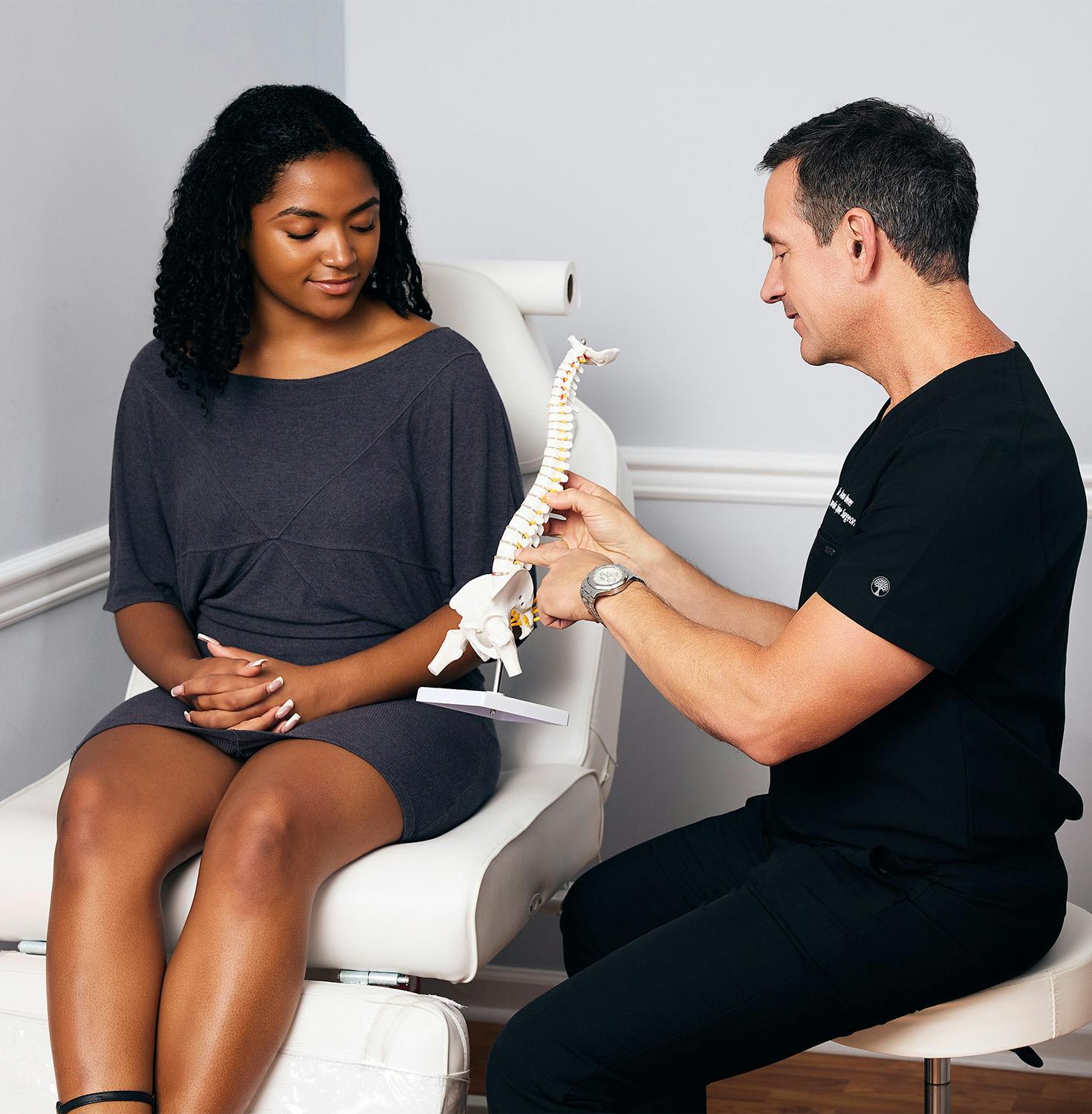
Dr. Krovner sitting with patient

What Is Posterior Lumbar Laminectomy & Fusion?

Posterior lumbar laminectomy and fusion is a surgical procedure that addresses two major contributors to chronic back pain: compressed spinal nerves and unstable vertebrae. The surgery has two components. First, a laminectomy removes the back portion of the vertebra (the lamina) to decompress the nerves and relieve pressure. Second, spinal fusion is performed by placing bone grafts and medical hardware to join two or more vertebrae, promoting long-term stability. Performed under general anesthesia, posterior lumbar laminectomy in Long Island is especially helpful for patients who haven’t found relief with conservative care. When paired with lumbar fusion in Long Island, the result is greater support and reduced risk of further spinal degeneration.


Benefits of Posterior Lumbar Laminectomy & Fusion

This procedure offers lasting relief for structural spine problems by addressing both pain and instability in one surgery:

  • Nerve decompression: Alleviates pressure on spinal nerves, reducing leg pain, tingling, or numbness.
  • Long-term stability: Fusion prevents further slippage or degeneration in weakened vertebral segments.
  • Enhanced daily function: Reduced pain often leads to better mobility and improved quality of life.
  • Decreased risk of repeat surgeries: For appropriate candidates, this dual treatment offers a durable outcome.
  • Minimally invasive techniques: In many cases, the approach can reduce tissue trauma and support faster recovery.

Who Is a Candidate for This Procedure?

This procedure is well-suited for individuals who suffer from persistent lower back pain, radiating leg symptoms, or neurological deficits stemming from spinal compression and instability. Ideal candidates typically have tried nonsurgical methods—like physical therapy or injections—without adequate improvement.

Candidates should be in generally good health and able to tolerate anesthesia and the post-operative rehabilitation process.

Patients diagnosed with conditions such as spinal stenosis, spondylolisthesis, or herniated discs are frequently considered for this surgery, especially when instability in the lumbar spine is present.

Dr. Rovner conducts a detailed evaluation—including medical history, imaging, and physical exams—to determine the best treatment approach based on your unique condition and goals.

Schedule A Consultation Tailored Solutions for Every Spine

Contact Us
Contact us media

Your Consultation

During your visit to Core Alliance, Dr. Rovner will conduct a detailed examination and review imaging to assess the source of your symptoms. We’ll explain the surgical plan, review risks and benefits, and answer all your questions about spinal fusion in Long Island or other treatment options. Our team’s priority is helping you make an informed, confident decision about your care.

“Dr. Aron Rovner is an exceptional orthopedic spine surgeon whose expertise and compassionate approach truly set him apart. From the initial consultation to post-operative care, he demonstrated outstanding professionalism, taking the time to thoroughly explain every aspect of my condition and treatment plan. His skill in performing minimally invasive procedures led to a smoother and quicker recovery than I anticipated. Dr. Rovner's attentiveness, clear communication, and genuine care made me feel confident and supported throughout the entire process. I highly recommend him to anyone seeking top-quality orthopedic or spine care.”

– T. Shipman

Quote media

What to Expect During Surgery

The procedure begins with general anesthesia. You’ll be positioned face down as Dr. Rovner creates a small incision in the lower back.

Using advanced visualization, he removes the lamina and any compressive structures to relieve pressure on the nerves. Then, using bone grafts and medical hardware, the vertebrae are fused to prevent future instability.

Minimally invasive lumbar fusion in Long Island often uses specialized tools to minimize damage to nearby tissues. Most surgeries take 2–4 hours, depending on the extent of decompression and the number of vertebrae fused.

Recovery After Posterior Lumbar Laminectomy & Fusion

After surgery, most patients stay in the hospital for one to three days for pain control and observation. During the first few weeks, it’s normal to experience soreness or fatigue, which is managed with medication and rest. You’ll be encouraged to begin walking soon after surgery to support circulation and prevent stiffness. Physical therapy usually begins shortly after discharge and continues for several weeks or months. The program focuses on gradually restoring core strength, flexibility, and endurance. Most patients can return to light activities between four and six weeks, with full recovery progressing over the next few months. Following all post-operative instructions closely will help ensure a safe and successful healing process.

Background media

Cost of the Procedure

The cost of posterior lumbar laminectomy and fusion depends on your insurance plan, surgical facility fees, and the specifics of your condition. During your consultation, our team will provide a personalized estimate and verify your insurance benefits to help you understand your financial responsibility.

woman playing pickleball

Alternatives to Laminectomy & Fusion

Not every case of back pain or nerve compression requires surgery. For some individuals, physical therapy, anti-inflammatory medications, or epidural injections may be sufficient for managing symptoms. Less invasive procedures such as standalone laminectomy or microdiscectomy can also be considered, especially in cases without spinal instability.

However, when both decompression and stabilization are needed, posterior lumbar fusion in Long Island is often the most comprehensive and effective option. Dr. Rovner will carefully review your imaging and history to determine whether minimally invasive lumbar fusion in Long Island or another approach best supports your long-term spinal health.

Doctor media

Why Choose Core Alliance?

At Core Alliance, we combine the latest minimally invasive surgical techniques with personalized, patient-first care. Dr. Rovner is a fellowship-trained orthopedic spine surgeon with over 20 years of experience in complex spine procedures, including lumbar fusion in Long Island.

We’re here to help you regain function and move forward without fear. Schedule your consultation today to take control of your spine health.

Frequently Asked Questions Posterior Lumbar Laminectomy & Fusion

How long does spinal fusion take to heal?

Fusion typically completes between 6 and 12 months, though symptom relief often begins within a few weeks.

Will I lose flexibility in my back?

There may be some loss of flexibility in the fused segment, but most patients retain normal daily movement.

Can fusion fail?

Fusion failure is rare but possible. Strictly following your post-op care plan reduces the risk.

Is physical therapy required?

Yes, physical therapy is essential for a successful recovery and optimal function.

Is this procedure covered by insurance?

Most insurance plans cover spinal fusion in Long Island when deemed medically necessary. We’ll help confirm your benefits.

Contact us media
Accessibility: If you are vision-impaired or have some other impairment covered by the Americans with Disabilities Act or a similar law, and you wish to discuss potential accommodations related to using this website, please contact our Accessibility Manager at (516) 588-7731.
Contact Us