Give Core Alliance Spine and Orthopedics a phone call at 516-588-7731 Contact Us

MIS TLIF A Precise Solution for Lasting Spine Stability

At Core Alliance Spine and Orthopedics, we specialize in advanced spine procedures that prioritize effective results with minimal disruption to your life. Led by board-certified spine surgeon Dr. Aron Rovner, our team provides Minimally Invasive Transforaminal Lumbar Interbody Fusion (MIS TLIF) to treat chronic lower back pain caused by spinal instability or nerve compression. This technique is designed to restore function, reduce pain, and support long-term recovery. Take the first step toward lasting relief by scheduling your personalized spine consultation today.

What Is Minimally Invasive Transforaminal Lumbar Interbody Fusion?

Minimally Invasive TLIF is a surgical procedure that stabilizes the lumbar spine by removing a damaged or degenerated disc and fusing the adjacent vertebrae. Unlike traditional open fusion surgery, this method uses smaller incisions and specialized instruments to minimize trauma to surrounding muscles and tissues. Through a small incision in the lower back, Dr. Rovner accesses the affected vertebrae using tubular retractors. 

The damaged disc is removed, and an implant (cage) filled with bone graft is inserted into the disc space to encourage bone growth between the vertebrae. Screws and rods are used to secure the fusion and maintain alignment while healing occurs. This technique is ideal for reducing post-operative discomfort and shortening the recovery timeline.

Benefits of MIS TLIF

Minimally Invasive TLIF offers several advantages over traditional spine surgery techniques. Patients often experience less pain and a faster return to activity.

  • Reduced Soft Tissue Damage: The use of small incisions and tubular retractors minimizes trauma to muscles and ligaments surrounding the spine.
  • Faster Recovery Time: Many patients can return to light activity and work sooner than with traditional open surgery.
  • Smaller Incisions and Minimal Scarring: Cosmetic results are improved thanks to less noticeable surgical entry points.
  • Lower Risk of Infection and Blood Loss: The minimally invasive approach reduces overall surgical risks and complications.
  • Shorter Hospital Stay: Most patients return home the same day or within 24 hours after surgery.
  • Effective Pain Relief and Stabilization: By removing the damaged disc and stabilizing the spine, pressure on nerve roots is reduced and spinal alignment is restored.
woman smiling

Who Is a Good Candidate for MIS TLIF?

MIS TLIF is often recommended for patients with chronic lower back pain that hasn't responded to conservative treatments like physical therapy, medications, or injections. Conditions such as degenerative disc disease, spondylolisthesis, spinal stenosis, or recurrent herniated discs may make someone a strong candidate.

Ideal patients are generally in good health and have a clearly identified area of spinal instability or nerve compression. Dr. Rovner will perform a comprehensive evaluation to determine if MIS TLIF is appropriate for your diagnosis and lifestyle.


Your Consultation

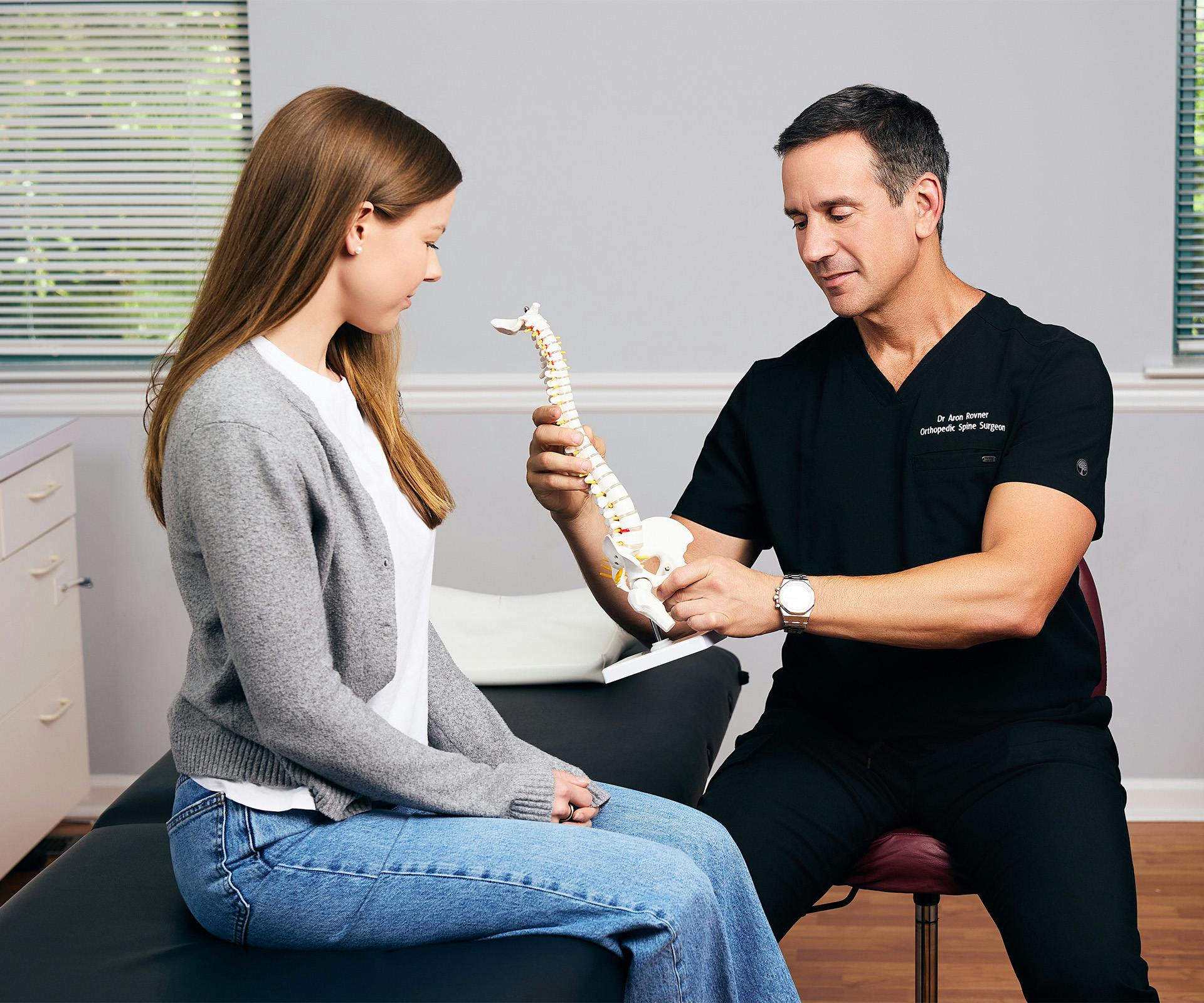
During your consultation at Core Alliance, Dr. Rovner will conduct a thorough medical history review, physical examination, and imaging analysis. Our goal is to understand the root cause of your symptoms and provide honest, expert guidance on your best treatment options. And for your convenience, we offer both in-person and virtual consultations. 

Contact Us

"I worked with Dr. Rovner on my back pain. He is an outstanding orthopedic specialist. He is incredibly patient and takes the time to carefully ask about every symptom. He listens attentively and explains each detail clearly, making sure I understand the diagnosis and treatment plan. His medical decisions are thoughtful and well-reasoned, and I truly felt that I was in good hands throughout the entire process. I highly recommend him to anyone seeking professional and compassionate orthopedic care."

– Xifeng Wang

Quote media

Schedule A Consultation Tailored Solutions for Every Spine

Contact Us
Contact us media

What to Expect During Your MIS TLIF Procedure

MIS TLIF is performed under general anesthesia and typically lasts about two to three hours. After making a small incision in the lower back, Dr. Rovner gently moves the muscles aside to access the spine using a tubular retractor. The damaged disc is carefully removed, and a cage filled with bone graft is inserted into the empty disc space. Screws and rods are then placed through the same incision to secure the vertebrae.

Because the procedure is minimally invasive, there's significantly less muscle disruption compared to traditional open spine surgeries. Once the fusion is in place and the hardware secured, the incision is closed with sutures or surgical glue. Patients are monitored in recovery and typically discharged within 24 hours.

What Is the Recovery Like After Minimally Invasive Transforaminal Lumbar Interbody Fusion?

Recovery from MIS TLIF is generally smoother and faster than from open fusion procedures. Most patients walk on the day of surgery and begin physical therapy within a few days. Soreness at the incision site is expected but usually well managed with over-the-counter or prescription medications.

Depending on your job and activity level, you may return to work within a few weeks. Full fusion and spinal healing typically occur over several months, during which physical therapy plays a vital role in strengthening and improving mobility.

What Is the Cost of MIS TLIF?

The cost of MIS TLIF surgery varies depending on your insurance coverage, the complexity of your condition, and any associated hospital or anesthesia fees. We’ll work closely with your insurance provider to verify benefits and provide transparent cost estimates.

woman riding a bike by a mountain

Alternatives to MIS TLIF

In some cases, patients may benefit from non-surgical options such as physical therapy, spinal injections, or pain management techniques. When surgery is necessary, alternatives to MIS TLIF include Posterior Lumbar Interbody Fusion (PLIF), Anterior Lumbar Interbody Fusion (ALIF), and traditional open TLIF. Dr. Rovner will help you weigh the pros and cons of each based on your needs and goals.

Banner media
Doctor media

Why Choose Core Alliance?

Core Alliance is committed to providing state-of-the-art spine care backed by experience, compassion, and results. Dr. Rovner is a fellowship-trained, board-certified spine surgeon with a track record of successful outcomes in minimally invasive spine procedures. Contact us today to find out if MIS TLIF is the right next step on your journey to lasting relief.

Frequently Asked Questions Minimally Invasive TLIF

How long does the fusion take to fully heal after MIS TLIF?

Full fusion typically occurs over 6 to 12 months, depending on your age, health, and adherence to post-operative care.

Will I need physical therapy after MIS TLIF?

Yes, physical therapy is a critical part of recovery and helps restore strength, flexibility, and movement.

Are the screws and rods permanent?

In most cases, the hardware remains in place permanently, but it may be removed if it causes irritation or complications.

Is MIS TLIF covered by insurance?

Most insurance plans cover MIS TLIF when it is deemed medically necessary. Our staff will help confirm your benefits.

Can MIS TLIF be performed at multiple spinal levels?

Yes, though most commonly done at a single level, the procedure can be adapted for multi-level fusions if appropriate.

Contact us media
Accessibility: If you are vision-impaired or have some other impairment covered by the Americans with Disabilities Act or a similar law, and you wish to discuss potential accommodations related to using this website, please contact our Accessibility Manager at 516-588-7731.
Contact Us