Give Core Alliance Spine and Orthopedics a phone call at 516-588-7731 Contact Us

With Posterior Lumbar Laminectomy & Fusion Restore Strength and Stability

At Core Alliance, we specialize in advanced spine care that prioritizes precision, comfort, and lasting results. Led by board-certified spine surgeon Dr. Aron Rovner, our team offers posterior lumbar laminectomy and fusion as an effective solution for patients suffering from spinal stenosis, herniated discs, or instability in the lower back. This procedure combines nerve decompression with spinal fusion to restore strength and reduce chronic pain. If you're ready to move forward with a long-term solution to lower back pain, schedule a consultation with Core Alliance today.

What Is Posterior Lumbar Laminectomy & Fusion?

Posterior lumbar laminectomy and fusion is a two-part spinal procedure designed to relieve pressure on spinal nerves and stabilize the lower spine. It is typically recommended for patients with spinal stenosis, degenerative disc disease, or spondylolisthesis who have not found relief through conservative treatments. The first part of the surgery, the laminectomy, involves removing the lamina—the back part of the vertebra that covers the spinal canal. This step decompresses the spinal nerves, alleviating pain, numbness, or weakness caused by nerve compression.

The second part, spinal fusion, involves placing bone grafts and hardware to permanently connect two or more vertebrae. This stabilizes the spine and prevents further slippage or degeneration.

Posterior lumbar laminectomy and fusion is typically performed under general anesthesia and may require a short hospital stay.

It is a highly effective procedure for those with structural spinal issues that interfere with mobility and quality of life.

Benefits of Posterior Lumbar Laminectomy & Fusion

This procedure offers both immediate and long-term benefits by combining decompression and structural correction in a single surgery:

  • Relieves nerve compression: By removing the lamina and decompressing nerves, the procedure helps alleviate radiating leg pain and numbness.
  • Improves spinal stability: Fusion provides long-term support for unstable or degenerative spinal segments.
  • Reduces chronic back pain: Many patients experience significant pain relief and an improved ability to perform daily activities.
  • Restores mobility: Decompression of nerves often results in better walking ability and increased range of motion.
  • Prevents further degeneration: Fusing the spine limits excessive motion that could worsen disc and joint deterioration.
  • Decreases need for future surgeries: For appropriate candidates, this comprehensive approach reduces the risk of needing repeat procedures.

Banner media
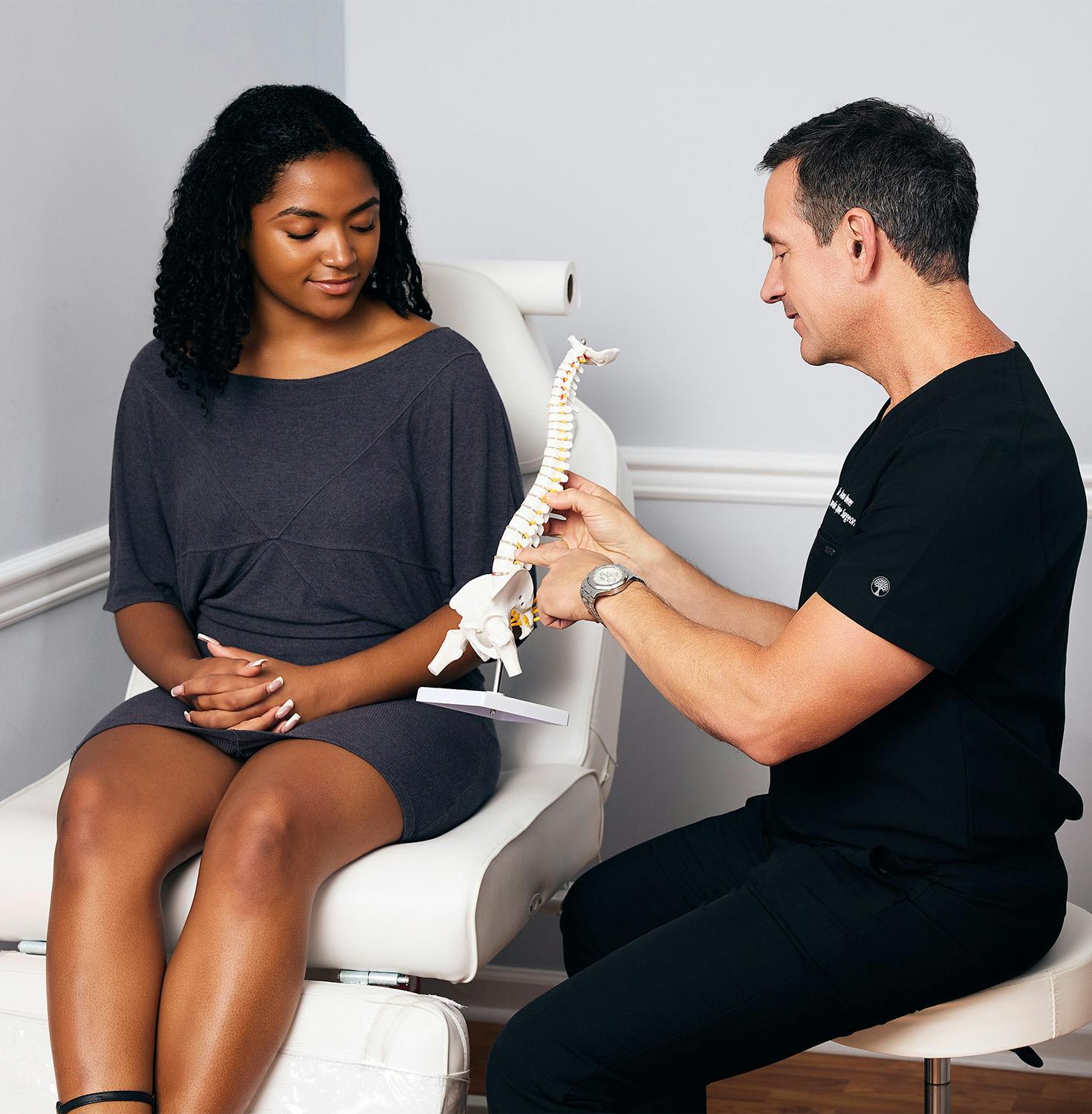
Dr. Krovner sitting with patient

Who Is a Good Candidate for Posterior Lumbar Laminectomy & Fusion?

This procedure is typically recommended for patients with persistent lower back pain and neurological symptoms caused by conditions like spinal stenosis, herniated discs, or spondylolisthesis.

Good candidates are those who have not responded to conservative treatments such as physical therapy, injections, or medication. Individuals experiencing radiating leg pain (sciatica), numbness, weakness, or difficulty walking due to nerve compression may also be ideal candidates. It is especially appropriate for patients who exhibit spinal instability or vertebral slippage, as the fusion component provides lasting support. Overall, your candidacy will depend on imaging results, medical history, and functional limitations.

Your Consultation

During your consultation at Core Alliance, Dr. Rovner will perform a comprehensive evaluation, which includes a detailed review of your symptoms, imaging studies, and overall health. Our goal is to determine whether posterior lumbar laminectomy and fusion is the right fit for your condition and to answer any questions you may have. To make this process convenient for you, we offer both in-person and virtual consultations.

Contact Us

“Dr. Aron Rovner is an exceptional orthopedic spine surgeon whose expertise and compassionate approach truly set him apart. From the initial consultation to post-operative care, he demonstrated outstanding professionalism, taking the time to thoroughly explain every aspect of my condition and treatment plan. His skill in performing minimally invasive procedures led to a smoother and quicker recovery than I anticipated. Dr. Rovner's attentiveness, clear communication, and genuine care made me feel confident and supported throughout the entire process. I highly recommend him to anyone seeking top-quality orthopedic or spine care.”

– T. Shipman

Quote media

Schedule A Consultation Tailored Solutions for Every Spine

Contact Us

What to Expect During Posterior Lumbar Laminectomy & Fusion

The procedure is performed under general anesthesia. You will lie face down while the surgeon makes a small incision in the lower back. Using advanced imaging guidance, Dr. Rovner carefully removes the lamina and any bone spurs or ligament overgrowth causing nerve compression.

Next, spinal fusion is performed using bone grafts and metal hardware such as rods and screws to join the affected vertebrae. This stabilizes the spine and prevents further motion or slippage. The incision is then closed, and you will be moved to a recovery area for observation. Most procedures last between two and four hours depending on the complexity of the case.

What Is the Recovery Like After Posterior Lumbar Laminectomy & Fusion?

Recovery from this procedure typically includes a short hospital stay of one to three days. Patients may experience soreness and fatigue for a few weeks, and pain medications may be prescribed initially.

A physical therapy program will be recommended to help restore strength, mobility, and endurance.

Most individuals can return to light activities within four to six weeks, while full recovery can take several months.

It’s important to follow your care team’s post-operative guidelines closely to ensure optimal healing and spinal stability.

What Is the Cost of Posterior Lumbar Laminectomy & Fusion?

The cost of this surgery varies depending on several factors, including your insurance coverage, the complexity of the procedure, and the facility where it’s performed. Our team will provide a detailed cost estimate and help you understand your benefits during your consultation.

man crossing his arms

Alternatives to Posterior Lumbar Laminectomy & Fusion

Depending on the cause and severity of your symptoms, alternative treatments may include physical therapy, epidural steroid injections, anti-inflammatory medications, or minimally invasive decompression procedures.

For some patients, less invasive surgeries like microdiscectomy or standalone laminectomy may be appropriate. However, if spinal instability is a concern, fusion is often the most effective long-term solution. Dr. Rovner will help you explore all appropriate options and choose the approach that best fits your needs.

Banner media
Doctor media

Why Choose Core Alliance?

Core Alliance is a leader in modern spine care, known for combining advanced surgical techniques with compassionate, individualized treatment. Dr. Rovner brings over two decades of spine surgery experience and is committed to delivering outcomes that restore long-term function and quality of life. Schedule your consultation today to discover how we can help you move forward with strength and stability.

Frequently Asked Questions Posterior Lumbar Laminectomy & Fusion

How long does spinal fusion take to heal?

Bone fusion may take between six months and one year. However, most patients begin feeling significant relief within weeks and can return to regular activities in a few months.

Will I lose flexibility after spinal fusion?

Some loss of flexibility is expected in the fused segment, but most patients retain an adequate range of motion for daily activities.

Is this surgery permanent?

Yes, spinal fusion is intended to be a permanent solution for instability and chronic pain.

Can the fusion fail?

While rare, fusion failure can occur due to poor bone healing or implant complications. Following post-op care closely reduces this risk.

Will I need physical therapy?

Yes, a structured physical therapy plan is essential to strengthen muscles, improve mobility, and support long-term outcomes.

Contact us media
Accessibility: If you are vision-impaired or have some other impairment covered by the Americans with Disabilities Act or a similar law, and you wish to discuss potential accommodations related to using this website, please contact our Accessibility Manager at 516-588-7731.
Contact Us